Enjoy 15% OFF on your very first order at Top Gear
Get 10% OFF on all your orders with Top Gear
Enjoy 15% OFF on your very first order at Top Gear
Get 10% OFF on all your orders with Top Gear

Comfort upgrades
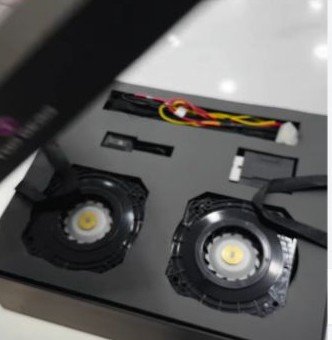
Carsense shows the upholstery and fan assembly behind a seat ventilation upgrade. Here’s what to ask before a fitment.
A car seat can look finished before you have answered the important questions about how it will feel. In this Carsense and Top Gear Reel, a presenter stands beside a red car, then the camera moves to pale patterned upholstery and a ventilation assembly with two visible fans. Those shots put the two halves of the upgrade in view. The cover shapes the finish you see and touch. The airflow hardware adds another layer to the fitment conversation.
Which seats actually need the upgrade? A driver in a daily commute has a different brief from a passenger who spends longer trips in the back. Think about where the car usually parks, how long people sit in it, and whether the factory seats already have any powered or climate functions. These details matter more than a broad request for the fullest available package.
When you contact a fitter, give the make, model, model year and variant. Identify which seats you are considering. Mention electric adjustment, memory or factory ventilation if fitted, and say whether you want to retain the existing seat design or choose new upholstery. The Reel shows a particular installation by Carsense. The vehicle details you provide help determine which parts of that example are relevant to your own car.
The brief close-up of the assembly is useful because it shows why the conversation cannot stop at a sample swatch. An assembly fitted beneath an upholstered surface needs an airflow path through the finished seat. Ask the installer where on the fitted seat you should expect to feel airflow, how you operate the controls and what you should expect to hear at the settings demonstrated to you. Ask for a seated demonstration. Airflow may feel different when you sit against the surface than it does when you hold your hand just above it.
Avoid assuming a fan count tells you how cool a seat will feel. The camera shows the hardware layout used in the featured work. It does not establish a particular temperature change or performance rating. Vehicle interior temperature, cabin air movement and the shape of the upholstered seat all influence the everyday experience. A demo in the fitted car tells you more than a specification borrowed from a different installation.
The pale cover in the Reel lets the central pattern and darker seams do a lot of the visual work. From the open door, the seat looks lighter against the surrounding trim. Up close, the surface detail gives the seat structure. If you like this combination, compare white, grey or beige samples against your dashboard and existing door panels before you choose one. A small piece viewed under a shop light may look quite different when a whole seat catches daylight through the windscreen.
Consider upkeep at the same time. Ask what cleaning method is appropriate for the finished material, how to deal with spills and which products to keep away from the perforated areas. Someone who regularly carries children or pets may make a different choice from someone who only uses the car for short drives. The goal is an upholstery finish you can use and maintain, along with the appearance you liked in the video.
Discuss fitment and the condition of the existing seat before any work starts. Ask how the chosen treatment works with the vehicle's factory controls and restraint equipment. A competent specialist can explain what they can verify for that vehicle configuration and what would need a separate diagnostic check. If a warning light is already present, have it assessed before discussing the cosmetic change.
At handover, ask to see the controls operate with the seat in your normal position. Try the settings you expect to use and check that the seat can still be adjusted through the positions you need. Look for tidy access around switches and seams. The Reel offers two useful reference points, the patterned seat surface and the hardware shown on camera. Bring those as a starting point for a fitment conversation, then make decisions based on your vehicle and a demonstration of the installed system.
Explore Top Gear’s seat ventilation collection or share your seating layout with customer care to ask about an appropriate setup.
No account yet?
Create an Account